web@ispigment.com
 +86 13965049124
 ไทย
ไทย  English
 français
 русский
 italiano
 español
 português
 العربية
 한국의
한국의 Tiếng Việt
สีม่วงสตรอนเทียมอลูมิเนตผงเรืองแสงเรืองแสงผู้จัดจำหน่าย
เม็ดสีเรืองแสงสีม่วง iSuoChem® ซึ่งเป็น ผงเก็บ พลังงานชนิดหนึ่ง ได้รับการรับรองโดย SGS, ISO17514, DIN67510 ส่วนที่ 1-4
Read More
dt สีเรืองแสงสีเรืองแสงสีเรืองแสง
ผงเก็บพลังงาน isuochem & reg; เรืองแสงสีเรืองแสงในที่มืดหลังจากดูดซับแสงที่มองเห็นได้แตกต่างกันและสามารถนำมาใช้ซ้ำได้หลายครั้ง ใบรับรองของ sgs, iso17514, din67510 ส่วนที่ 1-4 มีอยู่
Read More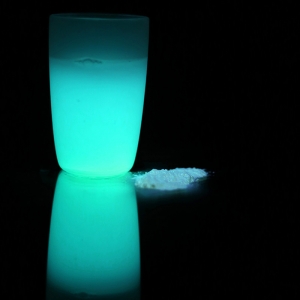
Photoluminescent เซรามิกสีน้ำเงินแกมเขียวเรืองแสงในเม็ดสีเข้ม
iSuoChem® Fluorescent photoluminescent pigment เรืองแสงสีฟ้าเขียวในที่มืดหลังจากดูดซับแสงที่มองเห็นได้ต่างๆ และสามารถนำมาใช้ซ้ำได้หลายครั้ง
Read More
ขายส่ง สตรอนเทียม อลูมิเนต เรืองแสงในที่มืด ผง
iSuoChem® เรืองแสงในผงสีเข้มจะเรืองแสงสีฟ้า - เขียวในที่มืดหลังจากดูดซับแสงที่มองเห็นได้หลายแบบและสามารถนำกลับมาใช้ซ้ำได้หลายครั้ง
Read More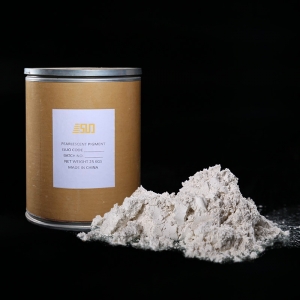
ผู้ผลิตเม็ดสีมุกสีขาวเงินจากไมกาฐานรูไทล์ละเอียดและเงินสเตอร์ลิง
การลงทะเบียน REACH, SGS, การรับรอง ISO, ปริมาณโลหะหนักต่ำ, ความสม่ำเสมอของสีขั้นต่ำ 95%, การทดสอบขนาดอนุภาคด้วย Malvern, การทดสอบสีและความสว่างด้วย X-RITE, การทดสอบ QUV เพื่อให้มั่นใจในคุณภาพที่ดีของเม็ดสีมุก
Read More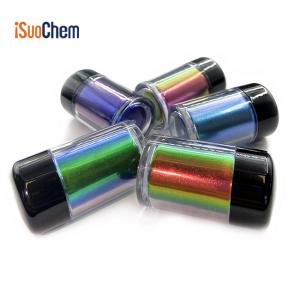
iSuoChem Refractive Metal Color Shifting เม็ดสีมัลติโครม
เม็ดสี iSuoChem® Multichromeเป็นเม็ดสีชนิดพิเศษที่มีคุณสมบัติในการเปลี่ยนสีเมื่อแสงเปลี่ยนไป
Read More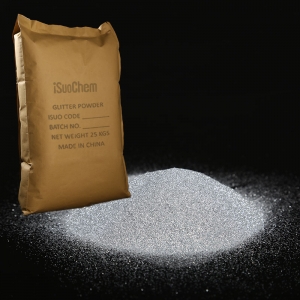
ผงแวววาวสีเงินแวววาวหกเหลี่ยม
iSuoChem® YS1001ผงแวววาวสีเงินแวววาวเป็นไปตามมาตรฐาน SGS, REACH, OEKO-TEXT 100, ฟอร์มาลดีไฮด์ฟรี, บิสฟีนอล A ฟรี, ทนต่อตัวทำละลาย, ทนอุณหภูมิสูง, สีแฟชั่น, ผงแวววาวต่างๆ ให้คุณเลือก
Read More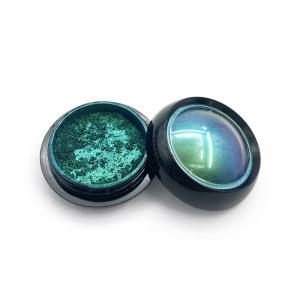
สีม่วง / นกกระเต็น / สีน้ำเงินความเข้มของสีสูงเม็ดสี lnk ที่เปลี่ยนแปลงได้
รงควัตถุความปลอดภัย iSuoChem® HC17 เป็น รงควัตถุ lnk ที่เปลี่ยนแปลงได้ด้วยแสง (OCIP) , รงควัตถุที่แปรผันได้ทางแสง (OVP)และรงควัตถุแม่เหล็กที่แปรผันได้ทางแสง (OVMP )
Read More